
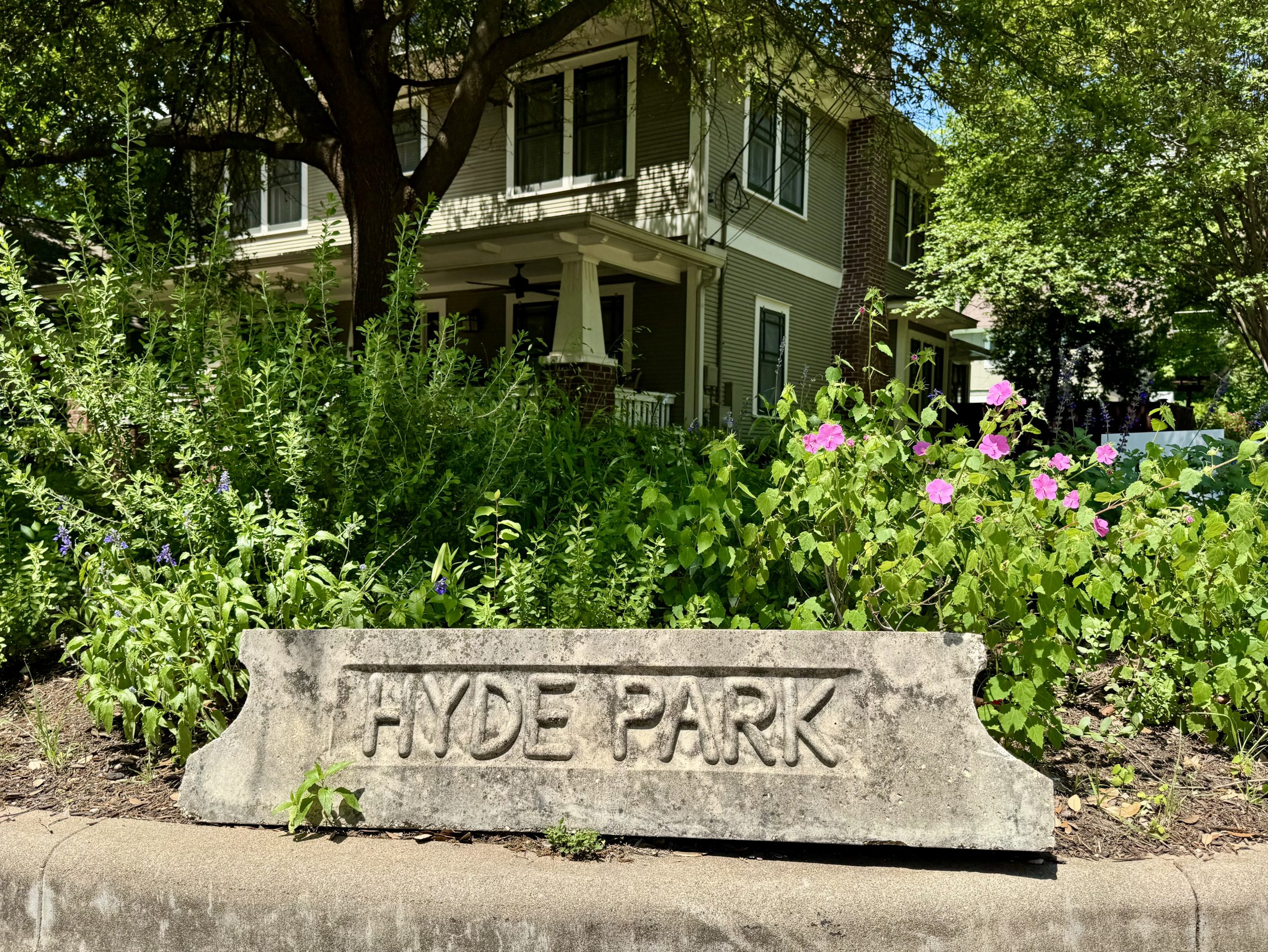
Before I knew Austin by neighborhood, I knew Hyde Park by foot.
It was the first place I walked my daughters beneath streets shaded by enormous pecan trees, where mornings unfolded slowly and front porches still felt like part of everyday life. Long before I could explain what made Austin feel charming, I recognized it here first — in the rhythm of the neighborhood itself. In the quiet residential streets. In the old homes softened by time. In the feeling that people still belonged to one another in small, ordinary ways.
Hyde Park has always carried that kind of intimacy.
Tucked just north of the University of Texas campus, the neighborhood feels distinctly separate from the faster pace surrounding it. Not frozen in time, and certainly not untouched by Austin’s growth, but grounded in something steadier: walkability, preservation, local businesses, and homes designed around daily life rather than spectacle.
There are neighborhoods that impress you immediately. Hyde Park reveals itself more slowly than that.
And that’s precisely why people love it.
Austin’s First Planned Suburb
Founded in 1891 by developer Monroe Shipe, Hyde Park was Austin’s first planned suburb — built alongside the city’s early electric streetcar line as a residential neighborhood just north of downtown.
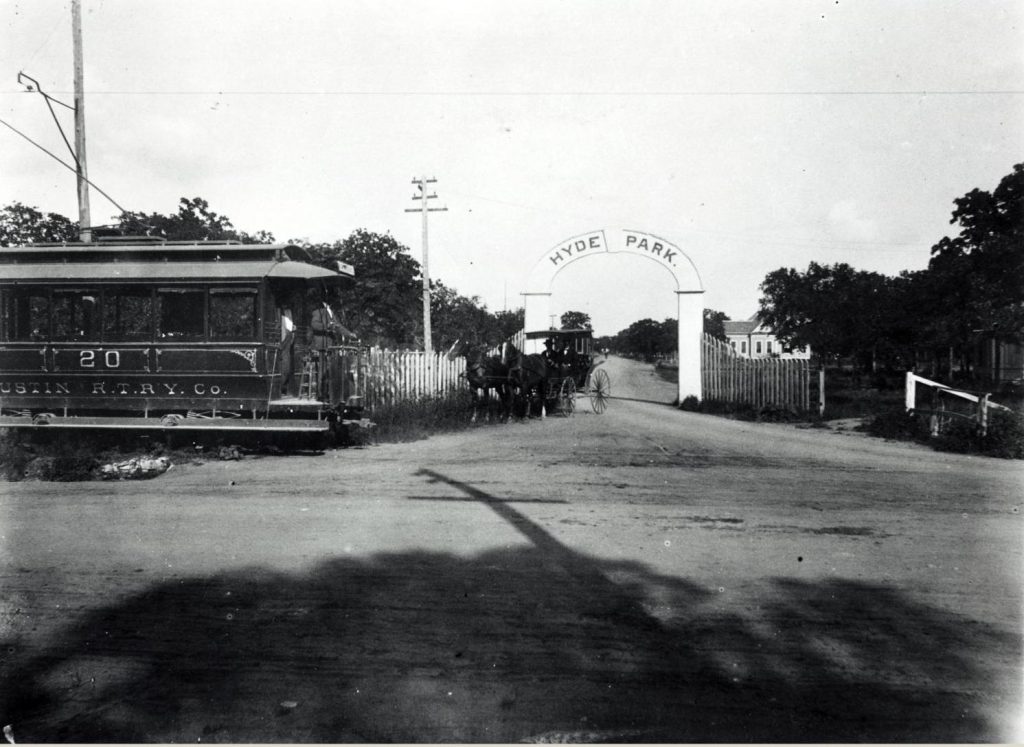
That original planning still shapes the neighborhood more than a century later.
The streets remain unusually wide and shaded. Homes sit close to sidewalks beneath mature oak and pecan trees that create near-continuous canopy during the warmer months. Alleyways run behind many homes, keeping garages and utilities out of view and preserving the pedestrian feel of the streets themselves.
Unlike newer developments built all at once, Hyde Park evolved gradually over decades. That layering is visible block by block.
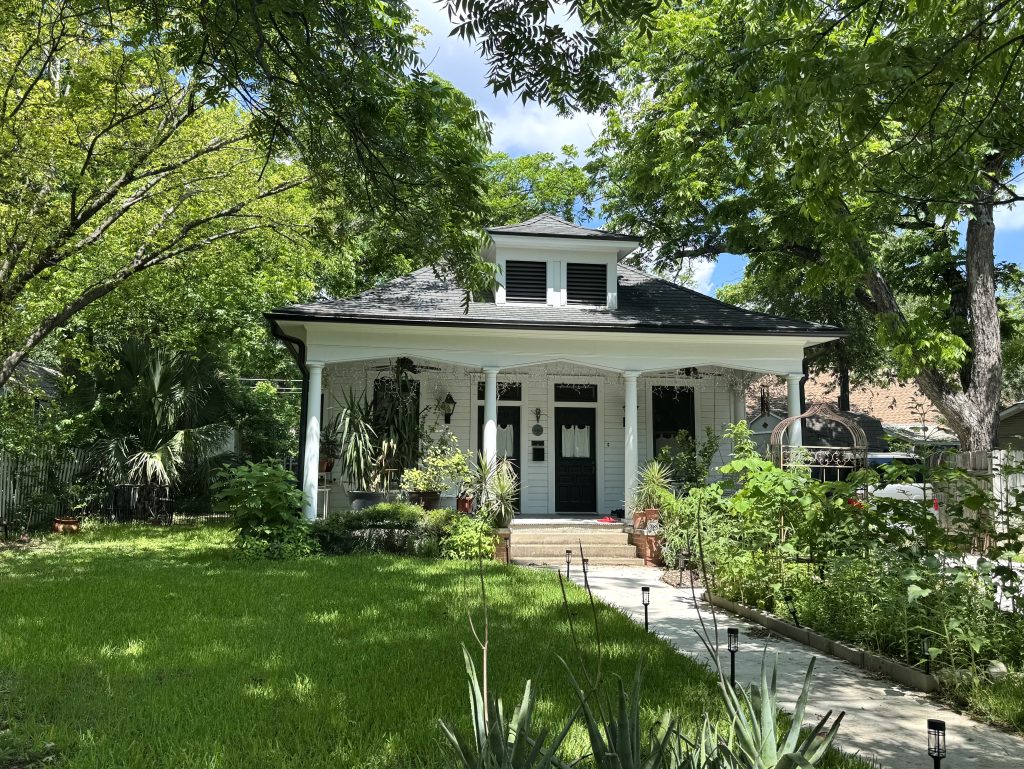
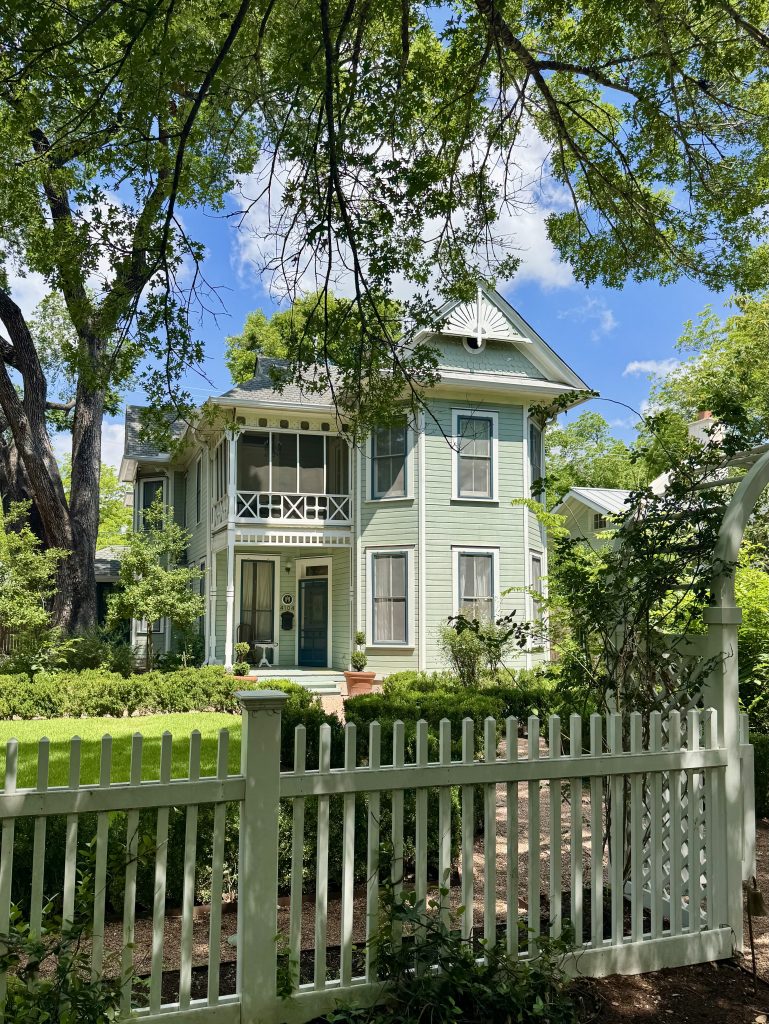
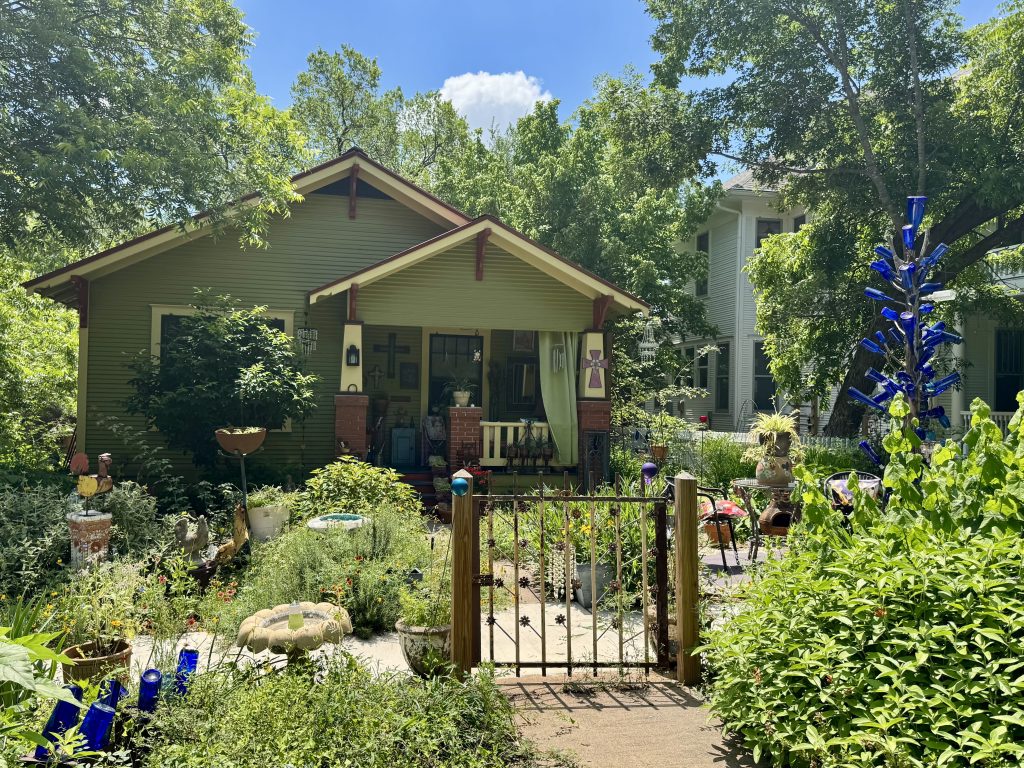
Victorian-era homes stand beside Craftsman bungalows, Tudor cottages, brick four-squares, and modest early-century cottages with deep porches and original windows. Some homes feel meticulously restored; others remain slightly eccentric in the distinctly Austin way — climbing vines overtaking fences, mismatched paint colors, gardens that spill naturally into walkways.
Nothing feels overly uniform. The neighborhood’s architectural charm comes from that lack of perfection.
You notice original millwork, divided-light windows, longleaf pine floors, screened porches, old brick paths softened by weather and roots. Renovations here often preserve intimacy and scale rather than chasing square footage. Even newer homes tend to acknowledge the surrounding architectural language instead of overpowering it completely.
Throughout Hyde Park, the homes still feel designed for people rather than simply for property value.
And that difference changes how the neighborhood feels to move through.
A Neighborhood Designed Around Walking
One of Hyde Park’s quietest luxuries is that it remains deeply walkable in a city that often requires driving.
The neighborhood encourages slowness almost accidentally.
Sidewalks stretch beneath enormous trees. Porches sit close enough to the street for conversations between neighbors. Children ride bikes while residents walk dogs beneath filtered afternoon light. Even in the middle of Austin summers, the shade canopy changes the experience of being outside.
There’s texture everywhere. Sidewalks lifted slightly by old roots. Screen doors opening and closing. Wind moving through mature trees.
It’s the kind of neighborhood where small routines begin to matter: walking to coffee in the morning, stopping at the neighborhood market, lingering outside after dinner because the streets themselves feel pleasant enough to stay awhile.
That human scale is part of Hyde Park’s enduring appeal. The neighborhood wasn’t designed around efficiency. It was designed around living.
The Restaurants and Shops That Anchor Hyde Park
Like the homes themselves, Hyde Park’s businesses feel rooted in familiarity rather than trend cycles. Many have served the neighborhood for decades, while newer additions have embraced the same sense of community that has long defined this corner of Austin.
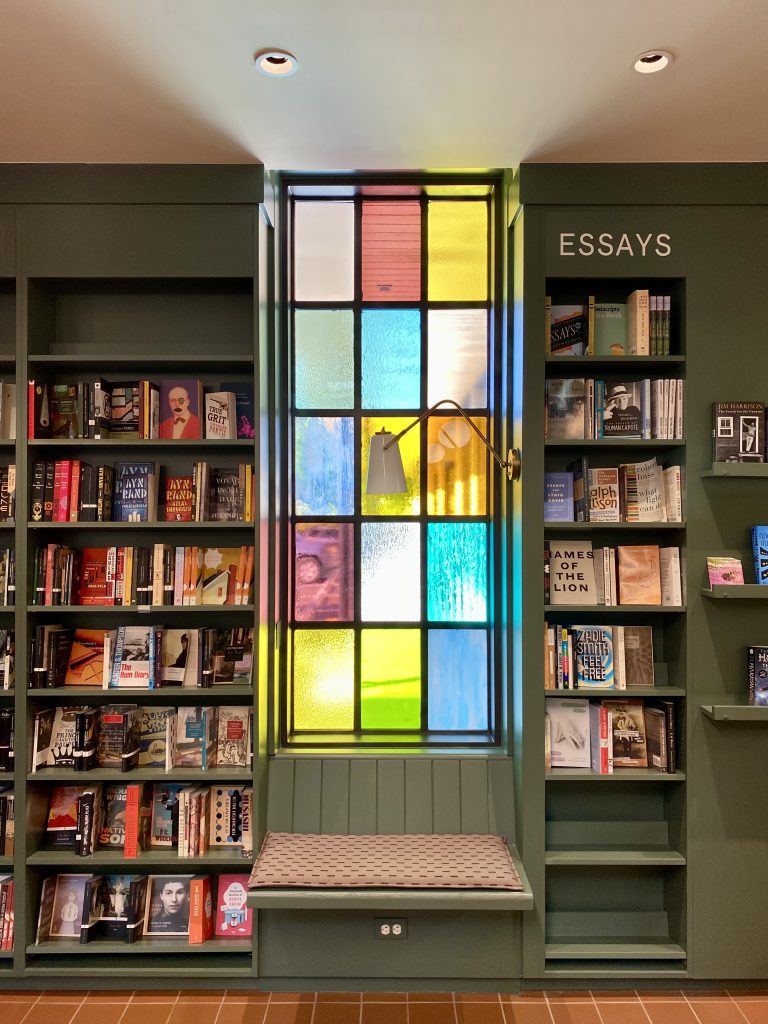
At the heart of the neighborhood is First Light Books, a thoughtfully curated independent bookstore that has quickly become one of Hyde Park’s gathering places. Part bookstore, part café, and part community living room, it reflects the neighborhood’s enduring appreciation for slower rhythms and meaningful connection.
Longtime institutions remain an important part of Hyde Park’s identity. Julio’s Cafe has served generations of Austinites with comforting Tex-Mex and a familiar neighborhood atmosphere, while Quack’s 43rd Street Bakery continues to function as an unofficial community gathering place where students, families, writers, and longtime residents gather over coffee, pastries, and conversation.
And then there’s Avenue B Grocery & Market, Austin’s oldest continuously operating grocery store. Open since 1909, the market has become something of a Hyde Park legend in recent years, thanks in part to its famously unpredictable hours. Catching it open can feel like a small victory, but that’s part of the charm. More than a grocery store, Avenue B serves as a reminder of the neighborhood’s small-town roots and enduring sense of place.
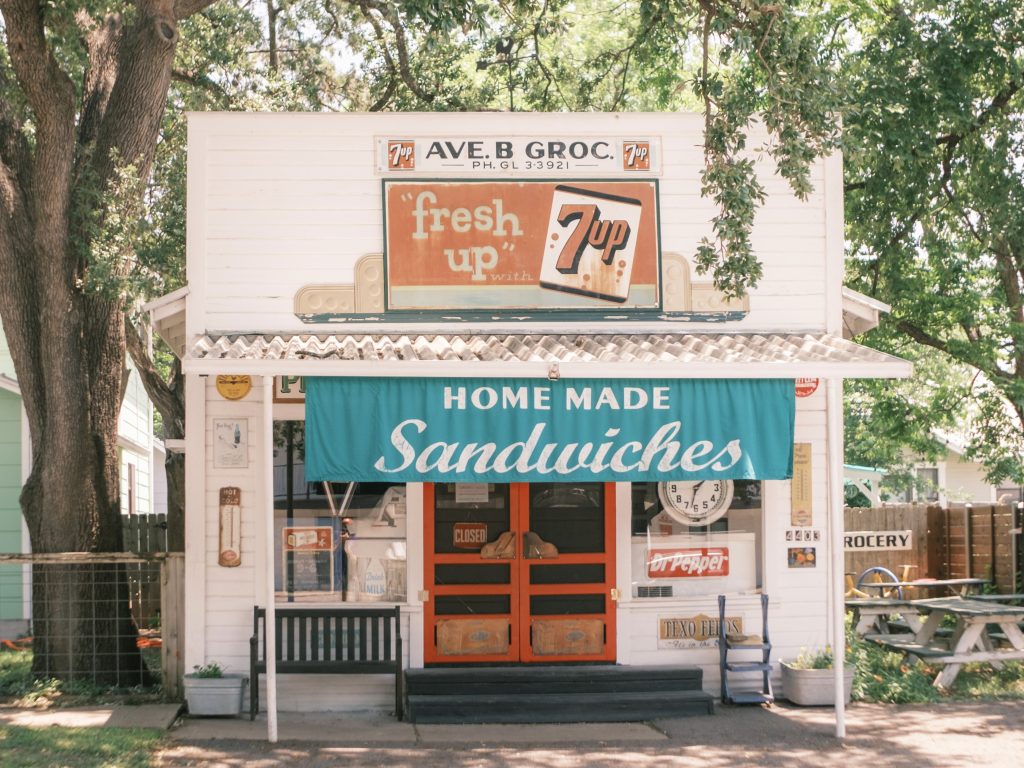
Scattered throughout the neighborhood are the smaller businesses that give Hyde Park much of its character — local cafés, neighborhood services, and independently owned shops that encourage residents to walk rather than drive and turn everyday errands into opportunities for connection.
More than anything, Hyde Park’s commercial district succeeds because it remains proportional to the neighborhood around it. The businesses feel local, familiar, and deeply woven into daily life — less a collection of destinations and more an extension of the community itself.
Creativity, Preservation, and Cultural History
Hyde Park has long attracted artists, academics, writers, architects, and preservation-minded residents — people drawn to neighborhoods with texture and history rather than polish alone.
One of the neighborhood’s most important landmarks is the Elisabet Ney Museum, the former home and studio of sculptor Elisabet Ney.
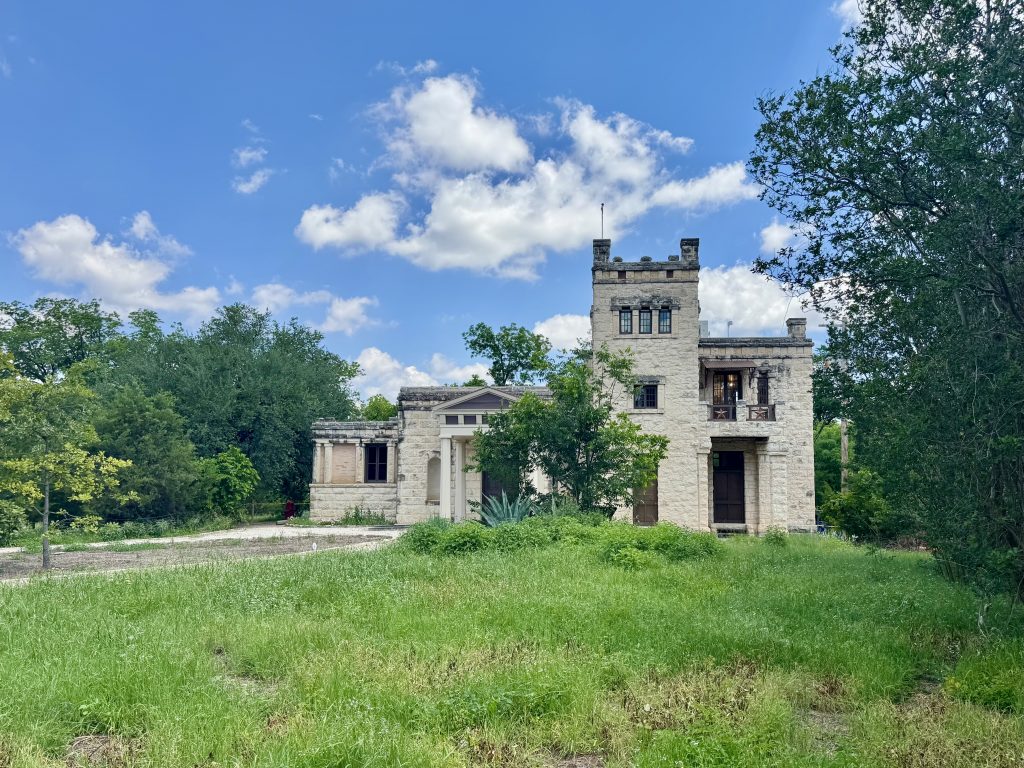
Built in 1892, the limestone studio — which Ney named Formosa — feels almost hidden within the neighborhood’s residential streets. Part castle, part artist retreat, the building reflects the eccentricity and intellectual spirit that has long shaped Hyde Park’s identity.
Nearby, Shipe Park continues serving as one of the neighborhood’s central gathering spaces, with a historic pool, basketball courts, shaded lawns, and playgrounds used by generations of Austin families.
Even smaller details contribute to Hyde Park’s atmosphere: the historic moonlight tower rising above the trees near 41st Street, preserved bungalows with handmade tilework, little free libraries tucked into front yards, annual home tours celebrating restoration and preservation efforts.
The neighborhood carries history lightly.
It doesn’t feel curated for visitors. It simply feels lived in.
Why Hyde Park Endures
Part of Hyde Park’s appeal is architectural. Part of it is historical. But much of what people respond to is harder to define than that.
The neighborhood still operates at a human pace.
People walk here because the streets invite walking. Businesses survive because residents use them regularly. Homes feel layered rather than disposable. Even the imperfections — cracked sidewalks, aging porches, gardens that have grown slightly wild — contribute to the feeling that real life is happening here.
And perhaps that’s why Hyde Park inspires such emotional attachment among the people who live there.
Not because it represents some untouched version of Austin, but because it continues to prioritize the kinds of daily experiences that make neighborhoods memorable in the first place.
When I think about Hyde Park now, I still picture those early walks with my daughters beneath the trees. The slow mornings. The bakery patios. The old homes glowing softly at dusk.
Not dramatic moments.
Just neighborhood life, unfolding exactly as it should.
And in a city that continues to evolve so quickly, Hyde Park remains one of the rare places where that kind of ordinary beauty still feels protected.