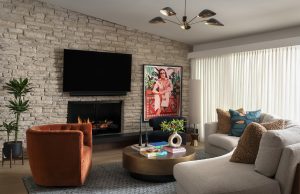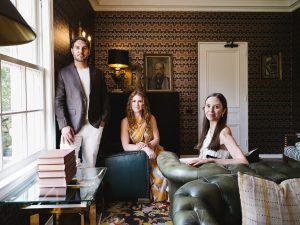
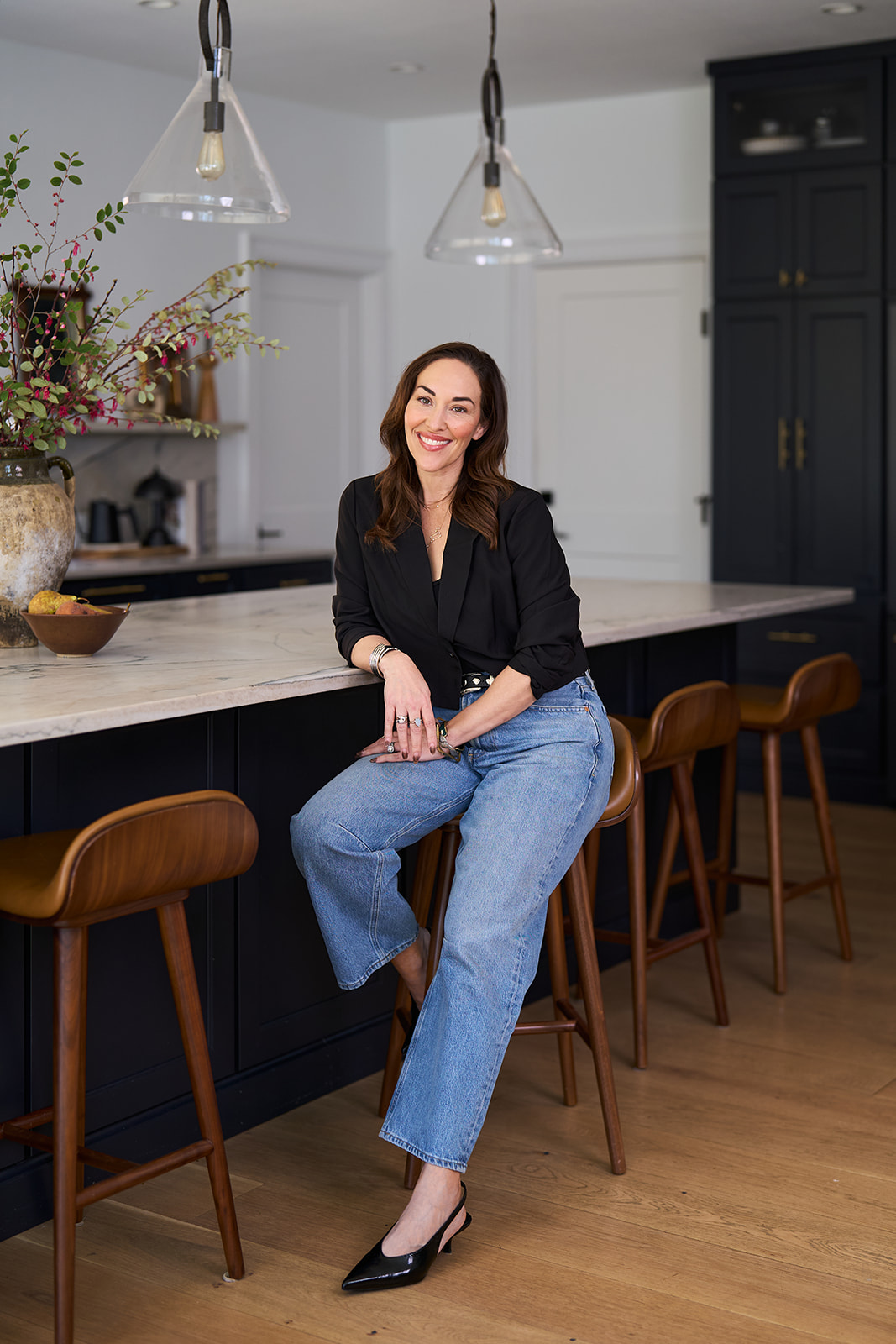
When Christina Cruz and her family moved to Austin, they weren’t simply searching for a house—they were searching for a place to intentionally build their next chapter. That philosophy ultimately became the foundation for both The Aden Lane Project and Christina Cruz Interiors, where every design decision begins with a simple question: How do you want to live?
For those who may be discovering Christina Cruz Interiors for the first time, tell us a little about yourself. What first drew you to interior design, and what inspired you to start Christina Cruz Interiors?
From a young age, I was immersed in the world of design through my father, an interior designer whose passion for creating beautiful spaces shaped the way I saw the world. Spending time around his projects taught me to appreciate craftsmanship, thoughtful details, and the emotional impact a well-designed home can have.
Although my career initially took a different path, I spent 17 years in digital media sales while living in Los Angeles. It wasn’t until my family and I moved to Austin six years ago that I felt called to pursue interior design. Designing my own home became the catalyst, it reminded me that this was more than a passion, it was the work I was meant to do.
How would you describe your design philosophy? What do you hope people feel – not just see – when they walk into one of your spaces?
I truly believe a home should do more than look beautiful, it should support the person you’re becoming. Our design philosophy is rooted in emotionally driven design. Before we ever select a material or piece of furniture, we seek to understand how our clients want to live, connect, and feel within their home. We explore their daily rhythms, family traditions, aspirations, and the moments they want to create. Those insights become the foundation of every design decision.
I hope people don’t just notice the beauty when they walk into one of our homes, I hope they feel something. A sense of warmth, Belonging, Curiosity. A feeling that the home has been thoughtfully collected over time and couldn’t belong to anyone else. Ultimately, I want every space to feel like a true reflection of the people who live there and an invitation to become the fullest version of themselves.
The Aden Lane Project is especially personal because it’s your own home. What inspired you to take on this renovation, and how was designing for yourself different from designing for clients?
When we moved to Austin, we weren’t simply looking for a house, we were looking for a place where we could intentionally build our family’s next chapter. We wanted a home that reflected how we live, encouraged connection, and supported the life we envisioned creating in Texas. Every design decision was rooted in our daily rhythms, from gathering as a family to creating quiet moments for rest and creativity.
Designing for myself is actually more challenging than designing for clients because the possibilities feel endless. At the same time, it gives me the freedom to take creative risks, experiment with texture and materiality, and curate spaces that evolve alongside my family. Our home has become a living expression of what I believe design should do: not just create something beautiful, but create an environment that supports expansion and connection.
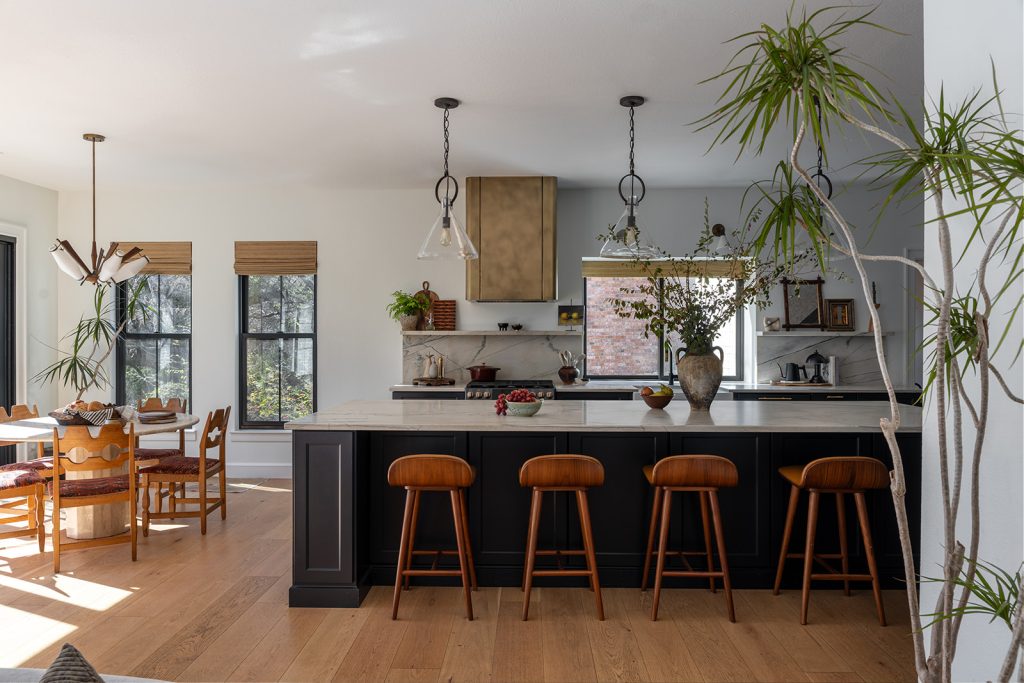
You mentioned wanting to explore the emotional and healing aspects of design. What does “healing design” mean to you, and why do you think our homes have such a profound impact on our well-being?
Our philosophy is rooted in emotionally driven design, creating environments that support the nervous system, encourage meaningful connection, and inspire people to live more intentionally. We believe a well-designed home should feel like an exhale, a place where your body naturally slows down, your mind feels clear, and you’re reminded of what matters most. We spend nearly 90% of our lives indoors, often heavily influenced by technology, yet few of us stop to consider how our surroundings influence the way we think, feel, connect, and move through the world. Every material, texture, color, light source, and layout has the ability to either create tension or invite ease. We want to encourage a way of living that feels inspiring or safe from the chaos when you walk through your door.
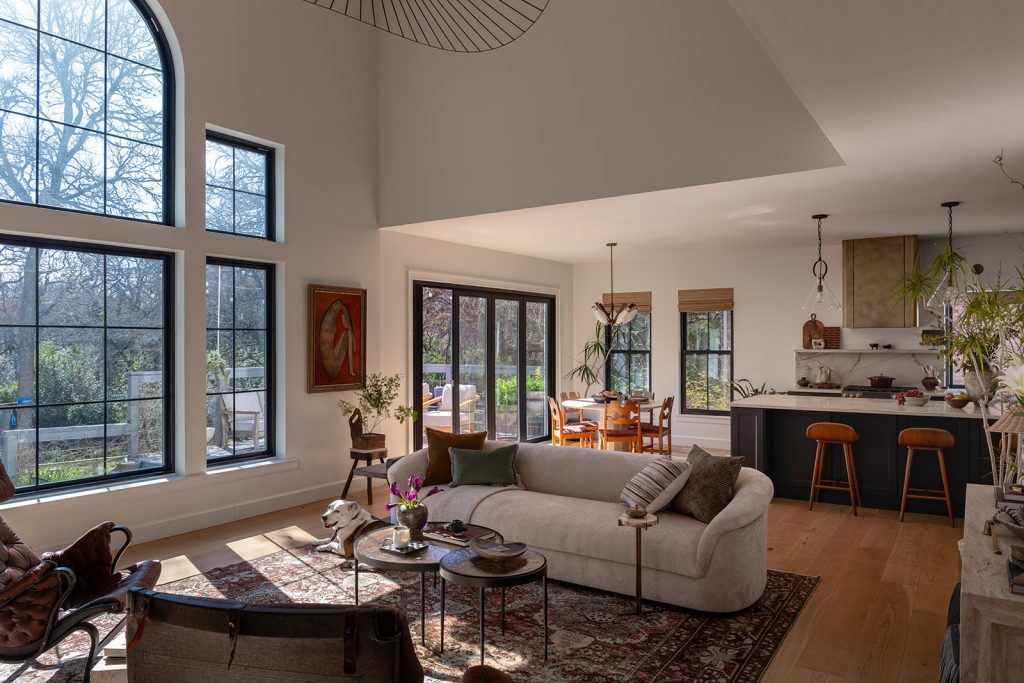
Were there specific design decisions in Aden Lane that were made with emotion or wellness in mind rather than simply aesthetics? We’d love to hear a few examples.
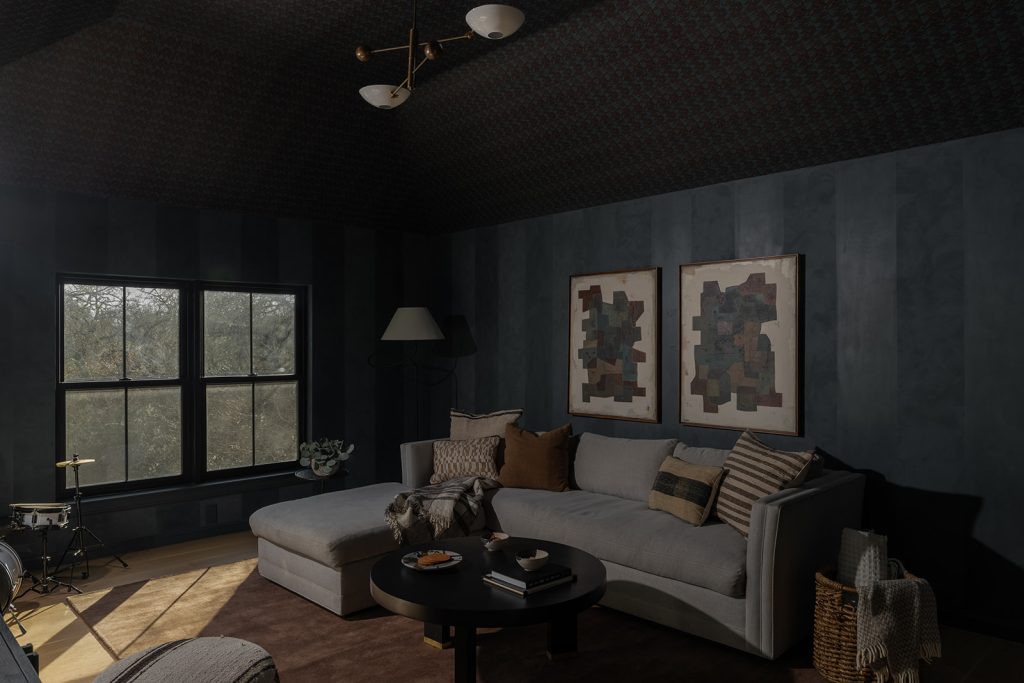
We realized our home no longer supported the season of life we were in. Our children’s playroom had become outgrown and sat largely unused, so we reimagined the space around who our family was becoming rather than who we had been. Since the renovation, we’ve witnessed a beautiful shift. Our kids have embraced more independence, game nights have become a weekly tradition, and meaningful conversations happen naturally in a space designed for connection. Sometimes a thoughtfully reimagined room doesn’t just transform a home, it transforms the way a family lives together.
Your home feels warm, layered, and deeply personal. How did your family’s routines, memories, and lifestyle influence the way you designed the space?
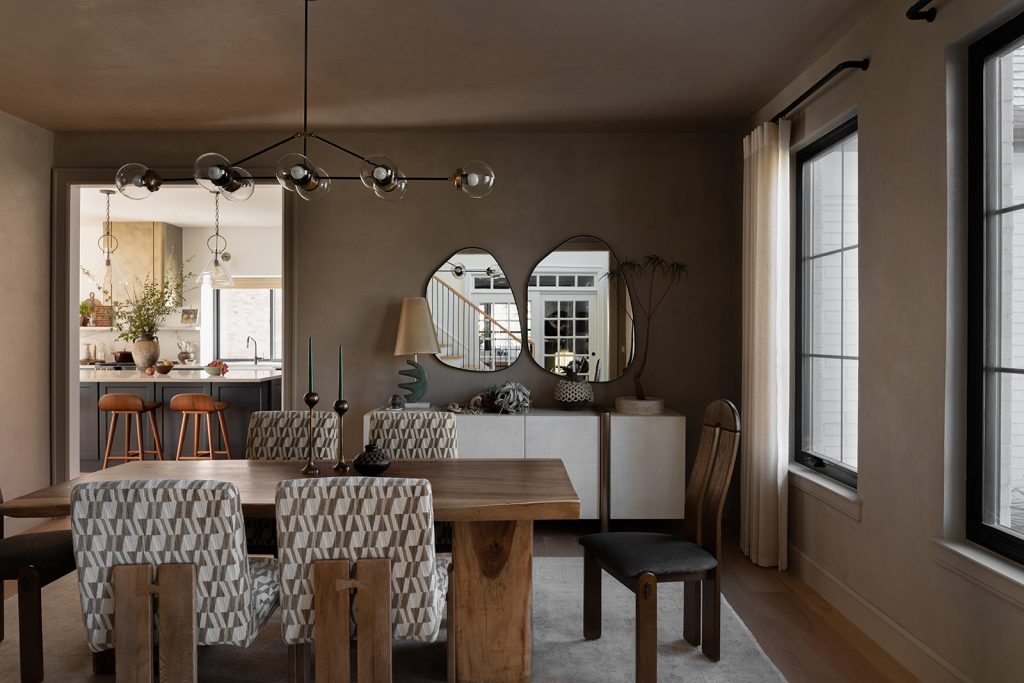
We have 9-year-old twins, a 6-year-old daughter, a 70-pound dog, and what feels like every neighborhood kid running through our front door. Life is wonderfully chaotic, always loud, always moving, and I wanted our home to embrace that reality. It feels elevated, but nothing is too precious to be lived in.
One of my favorite things has been collecting vintage pieces that each carry a story. The funniest part? My kids have become the biggest fans. Their favorite chairs in the house are vintage, and I love watching them appreciate the craftsmanship and recognize that these are pieces with history—pieces we get to enjoy every single day. To me, that’s what home is all about: surrounding yourself with things that spark curiosity, tell a story, and are meant to be loved, not just admired.
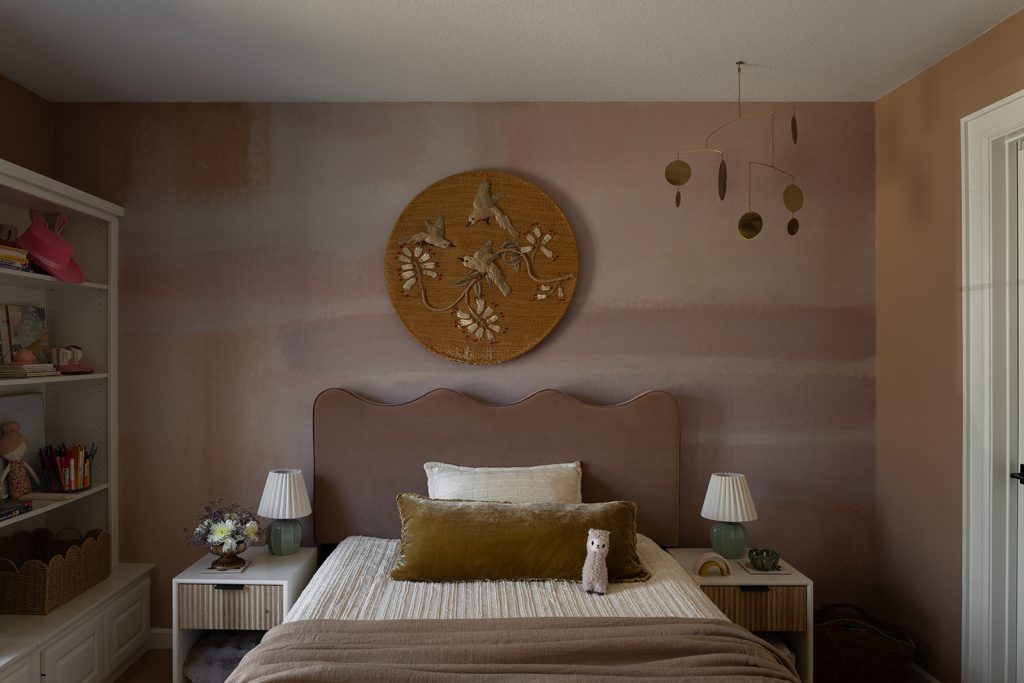
Many people think great design is simply about creating beautiful spaces. What do you hope people take away from the idea that thoughtful design can also support emotional well-being, connection, and even healing?
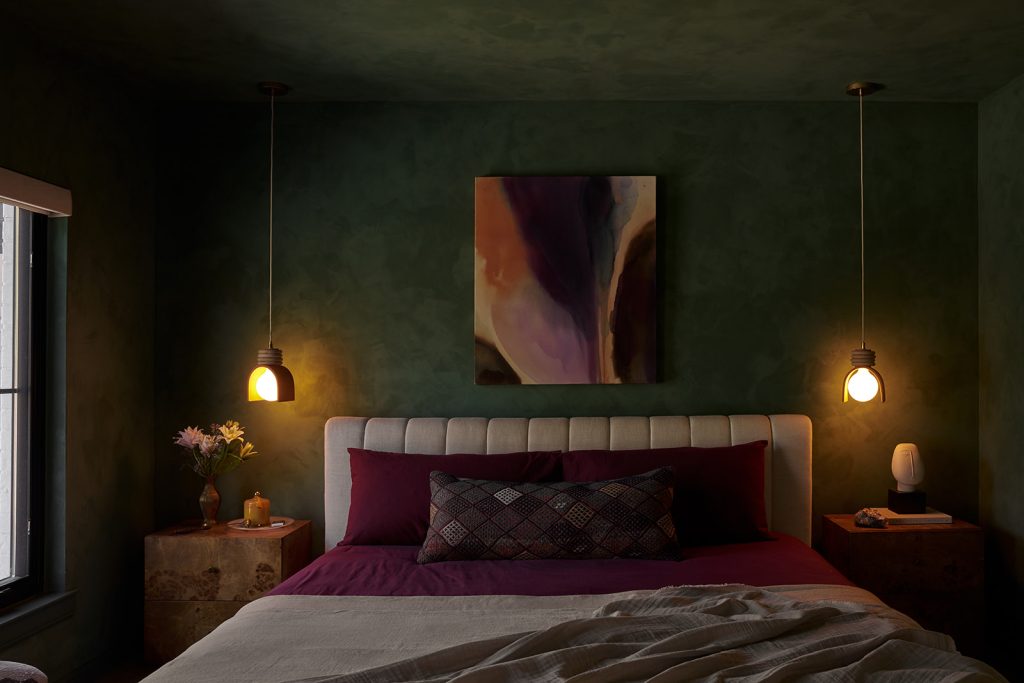
As someone who is constantly evolving, I’ve learned that our environment has the power to shape how we think, feel, and show up every day. Whether it’s a moody office that encourages focus and creativity, a bedroom intentionally designed for deep rest, or a gathering space that invites meaningful conversation, every room has the opportunity to support a different part of who we are.
I believe our homes should restore us, inspire us, and create space for us to grow.
When your environment aligns with your values and aspirations, it becomes more than beautiful, it becomes a catalyst for living a more intentional, expansive life. I hope people begin to see their home as more than a place to live, I hope they see it as the foundation for the life they want to create.
If you could leave readers with one piece of advice for creating a home that truly nurtures the people who live there, what would it be?
I would encourage people to start by looking beyond the aesthetics and asking themselves a deeper question: “How do I want to live?” The best homes aren’t designed around trends—they’re designed around the people who live in them. Think about your daily rhythms, the moments that bring you joy, where you feel most at peace, and where you feel disconnected. Those answers often reveal the barriers keeping your home from fully supporting your life.
One Last Thing…
One design trend you hope never goes out of style?
Storytelling through design
A material or finish you’re loving right now?
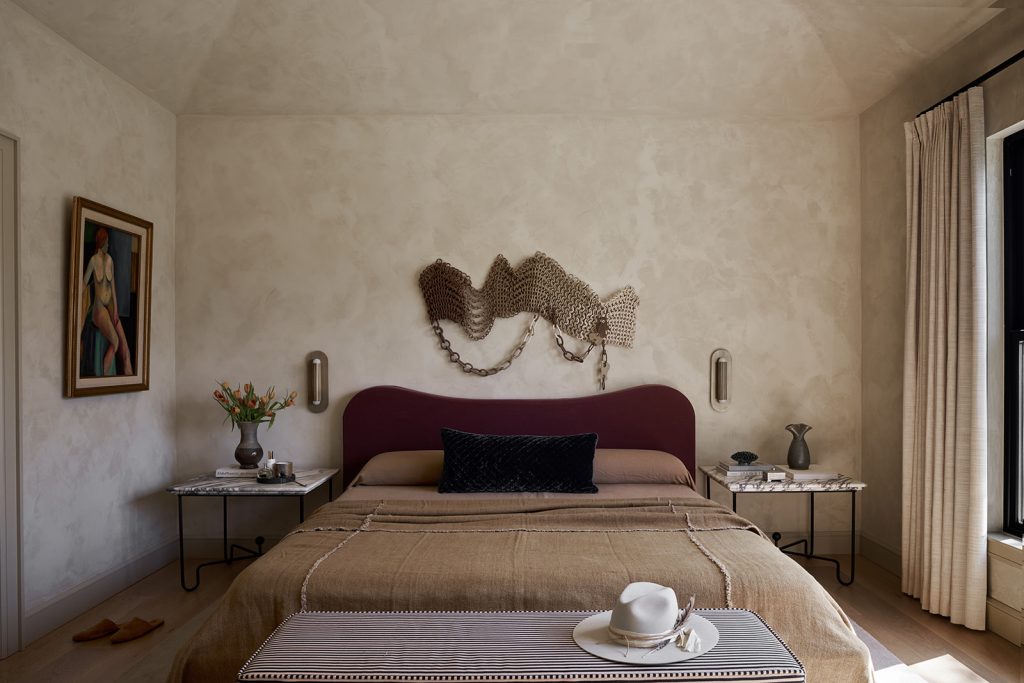
Anything with texture and movement – limewash, plaster, and Moire
Favorite place in Austin for a quiet afternoon?
Wildflower Center
One design “rule” you love breaking?
Moody paint makes the room smaller- I love it in all spaces!
What’s one item in your home that you could never part with?
My Nespresso machine..gives me life
Austin in three words?
Welcoming. Soulful. Evolving
Favorite Austin Neighborhood?
Clarksville
Contact:
Christina@christinacruzinteriors
https://www.christinacruzinteriors.com/
Instagram : @christinacruzinteriors
Photography Credit:
Cassie Work
https://www.cassie.work/