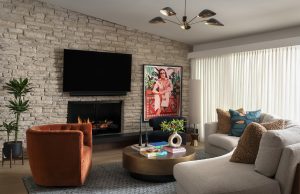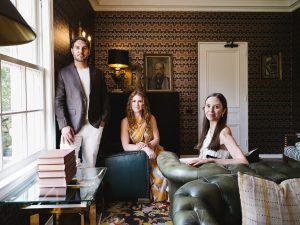
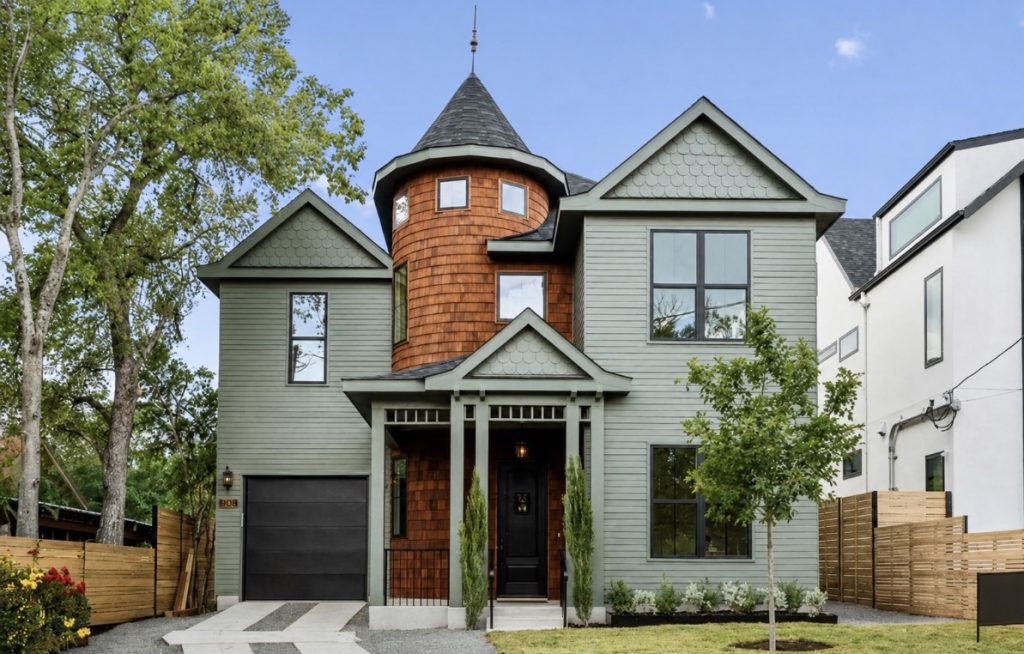
We recently asked Veronica Avery, principal designer of Avery Building Company, to share her thoughts on the emotional side of homebuilding—the quiet details, layered materials, and thoughtful imperfections that give a space a true sense of soul. Alongside her husband, Alan, Veronica has built a reputation for creating homes that feel warm, grounded, and deeply personal from the moment you walk through the door. In her thoughtful responses, she shared how their partnership shapes the creative process, why restraint matters more than trends, and what it means to design homes that people truly live in – not just admire.
For people who may not be familiar, can you tell me a little about yourself and what Avery Building Company is all about?
I’m Veronica Avery, principal designer of Avery Building Company. My husband Alan and I build and design homes together here in Austin, Texas.
Long before social media became what it is today, I was flipping homes on national television during the early days of reality TV — back when “going viral” wasn’t really a thing yet and Twitter barely existed. Alan, on the other hand, had already spent decades building homes, primarily in Montana, developing a deep understanding of craftsmanship, construction, and how homes actually live over time.
When we got married, those two worlds naturally merged. What started as a shared passion became a company built around thoughtful design, timeless architecture, and creating homes that feel deeply personal.
At Avery Building Company, we’re known for building what we call “new old” homes with warmth, soul, and character — homes that feel as though they’ve always belonged there. We want people to walk into one of our homes and feel something emotionally, not just admire finishes.
We also have an incredible team behind the scenes who help bring every vision to life. Building homes at this level truly takes a village, and we’re very grateful for the people we get to create alongside every day.

How did the company begin, and what originally drew you and your husband into building homes together?
Honestly, it happened very organically. We both loved homes long before we met each other.
Alan has been building for over twenty years and genuinely loves the process — the architecture, the engineering, the challenge of bringing something from paper to reality. I came from the world of design, renovation, and storytelling through homes. I’ve always been fascinated by how a space can completely change the way someone feels.
When we got married, we realized we each filled in the gaps for the other creatively. Alan brings this calm, grounded understanding of construction and feasibility, while I tend to dream big visually and emotionally. Somewhere in the middle is where the magic happens.
We joke that we’re probably either the perfect match or slightly insane for working together every day, but truthfully, we love it. We care deeply about what we create, and we both lead from a place of contribution. That shared value system became the foundation of the company.
What roles do each of you naturally take on within the company and creative process?
Alan is the steady hand. He’s incredibly talented at seeing the big picture from a construction and architectural standpoint — budgets, timelines, structural integrity, flow, execution. He can walk a job site and immediately know how to solve a problem.
I naturally gravitate toward the emotional side of the home: how it feels, how light moves through it, the materials, textures, proportions, and the overall atmosphere we’re creating. I’m usually the one obsessing over whether a room feels soulful enough or whether a front door has the right amount of character.
That said, there’s a lot of overlap. Alan has a great design eye, and I’ve learned a tremendous amount about building from him over the years. We challenge each other constantly, which ultimately makes the homes stronger.
And then there’s our team, which is truly essential. From design coordination to project management to trades and installers, there are so many talented people helping bring these homes to life behind the scenes.
Was there a moment when you realized you wanted your homes to feel different from typical new construction?
Yes — and I think it came from walking through too many homes that looked beautiful on paper but felt emotionally flat in person.
So much new construction can feel overly trend-driven or designed for a quick photograph instead of real living. We wanted our homes to feel layered, collected, and comforting, like they had history, even when they were brand new.
We became very intentional about creating homes with depth and permanence. Homes where the materials age gracefully, the layouts feel inviting, and the architecture feels rooted rather than temporary. We’re not interested in chasing trends as much as creating spaces people will still love twenty years from now.
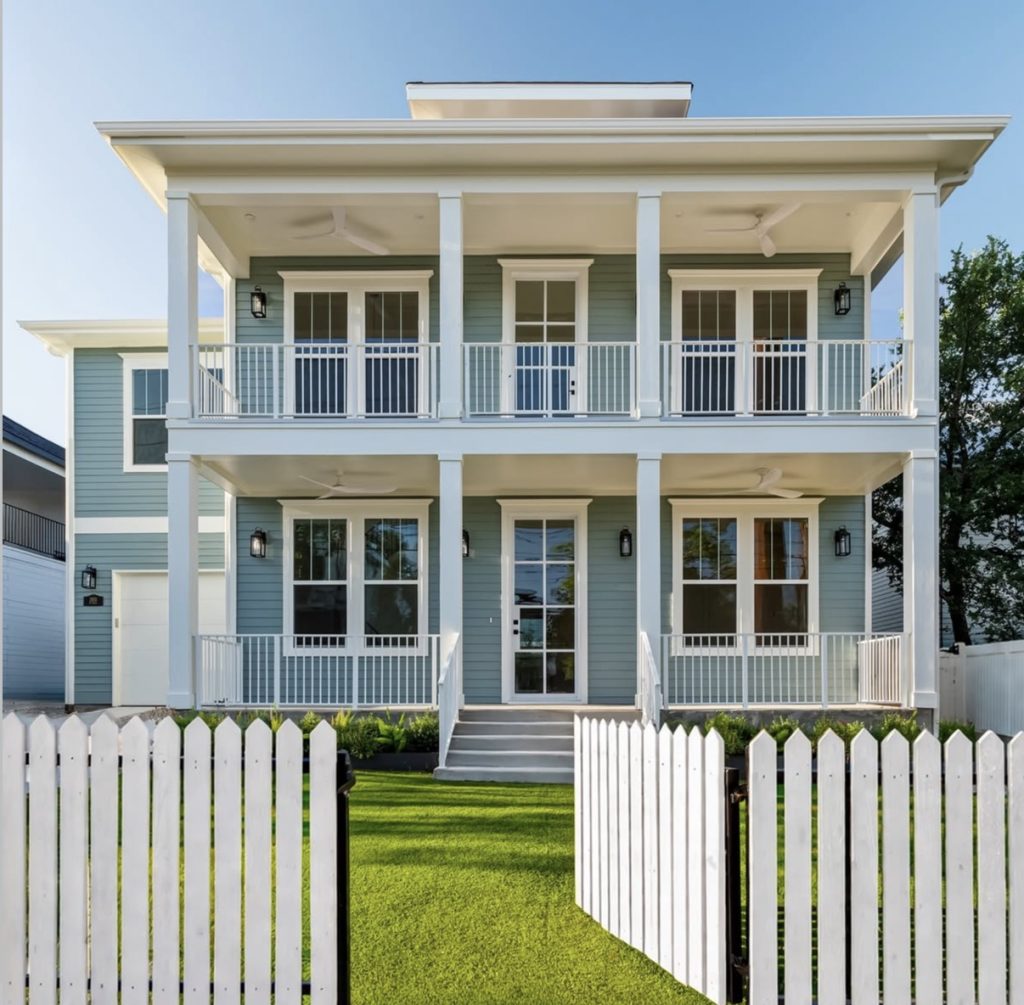
How would you describe the feeling you’re trying to create in an Avery home?
We want our homes to feel warm, grounding, timeless, and deeply welcoming.
There’s a quietness to a well-designed home that’s hard to explain until you feel it. We want people to walk in and immediately exhale.
More than anything, we want them to feel lived in and loved — the kind of homes where people gather around kitchen islands, where friends stay too long talking, where cats end up sleeping in the sunniest corner of the room. To us, a beautiful home isn’t about excess. It’s about creating spaces that feel personal, comforting, and connected to real life.
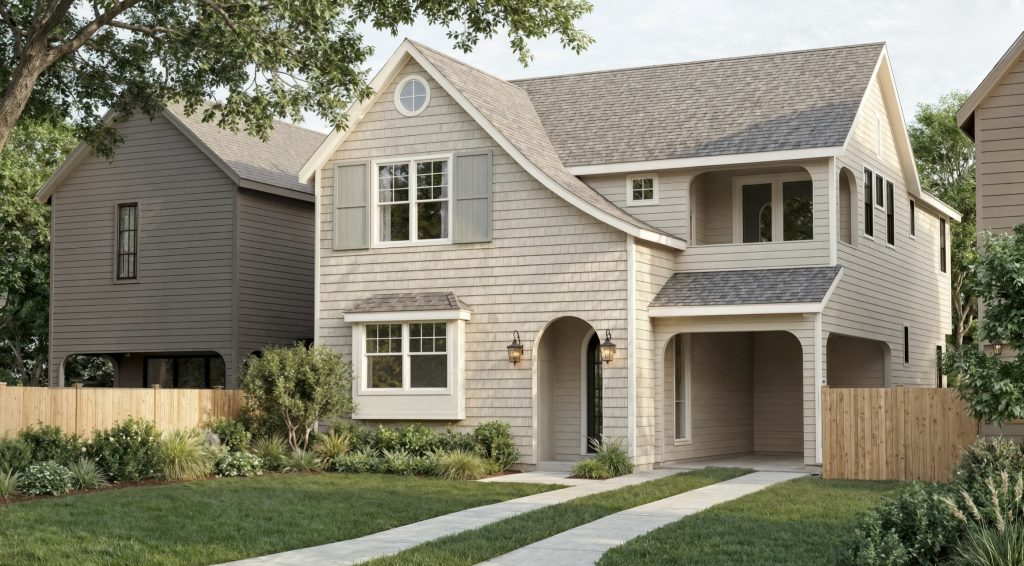
Your homes have such warmth and character to them. Where do you think that design sensibility comes from for you personally?
I think a lot of it comes from being drawn to homes that tell a story. I’ve always loved older homes, European architecture, historic neighborhoods, and spaces that feel collected over time rather than perfectly manufactured.
I’m also incredibly inspired by emotion and memory. Some of the most beautiful homes I’ve ever experienced weren’t necessarily the most expensive — they just made people feel something.
Family plays a huge role in that too. We’re very family-oriented people, and home has always represented comfort, connection, safety, and gathering. Faith is also a grounding force in our lives, and I think that naturally shapes how we approach people and the environments we create.
And honestly, living life helps. Traveling, relationships, heartbreak, joy, quiet moments at home with Alan and our cats — all of it influences design more than people realize.
What inspires you most when you’re designing or dreaming up a new home?
The architecture itself usually speaks first. We spend a lot of time thinking about how a home should feel before we think about finishes.
I’m inspired by old Charleston homes, European cottages, historic architecture, natural materials, soft imperfect textures, moody lighting, and spaces that feel intimate even when they’re large.
But I’m equally inspired by real life — the way people actually live in a home. Morning coffee in the kitchen, kids running through hallways, music playing while dinner is cooking, someone reading quietly by a window.
The best homes support life beautifully. That’s always the goal.
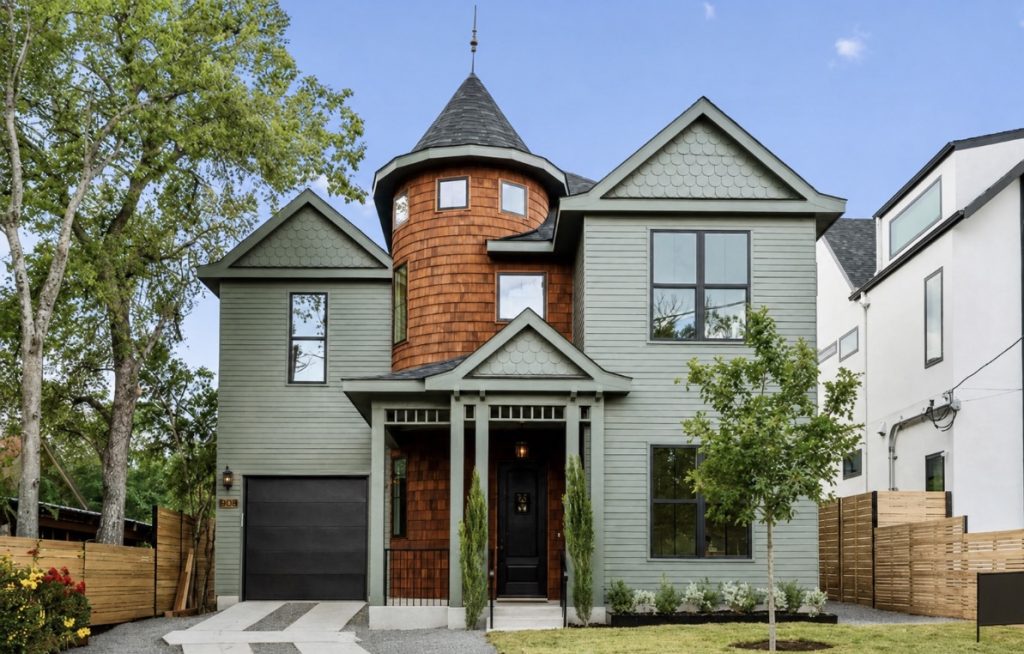
In your opinion, what gives a home soul or charm — especially when it’s newly built?
Restraint, authenticity, and thoughtful imperfection.
I think homes start to feel sterile when every finish is overly polished or every design decision is trying too hard to impress. Soul comes from layering materials that feel natural and lived in, incorporating architectural details that create depth, and allowing spaces to feel human rather than perfect.
Scale matters. Light matters. Texture matters. Even small things like the sound a wood floor makes under your feet or how sunlight hits a room in the afternoon contribute to the emotional experience of a home.
We spend a lot of time thinking about those details because they’re often what people remember most.
What kinds of details do you find yourself returning to again and again because they make a home feel timeless?
We always come back to natural, honest materials — brick, stone, warm wood tones, aged brass, soft layered paint colors, traditional millwork, and lighting that feels warm and inviting instead of overly modern or harsh.
Alan and I both love homes that feel grounded and collected over time — the kind of house that looks just as beautiful twenty years from now as it does today. We’re constantly asking ourselves, “Will this still feel good years from now, or is it just having a moment?”
We also pay a lot of attention to architectural details that people may not immediately notice consciously, but they feel them. Things like the scale of a room, the depth of windows and doorways, the warmth of the materials, the way the landscaping softens the home, or how exterior lighting glows at night.
And honestly, restraint is a huge part of timeless design. Not every corner needs to scream for attention. Sometimes the most beautiful homes are the ones that feel calm, effortless, and quietly confident.
Is there anything coming up — professionally or creatively — that you’d love people to know about or keep an eye out for?
We’re continuing to evolve Avery Building Company in a really intentional way. As we grow, we’re becoming even more focused on design-driven homes that feel deeply personal and architecturally timeless.
We’re also expanding creatively — sharing more of the behind-the-scenes process, the marriage dynamic, the design decisions, the challenges, and the humor that comes with building homes together. People connect with authenticity, and we’ve realized they enjoy seeing the real life behind the finished photos.
And of course, there are always new homes in the works, which is our favorite part. Dreaming up what’s next never really stops around here.
Contact
https://www.averybuildingcompany.com/
Veronica & Allan Avery
alan@averybuildingcompany.com