
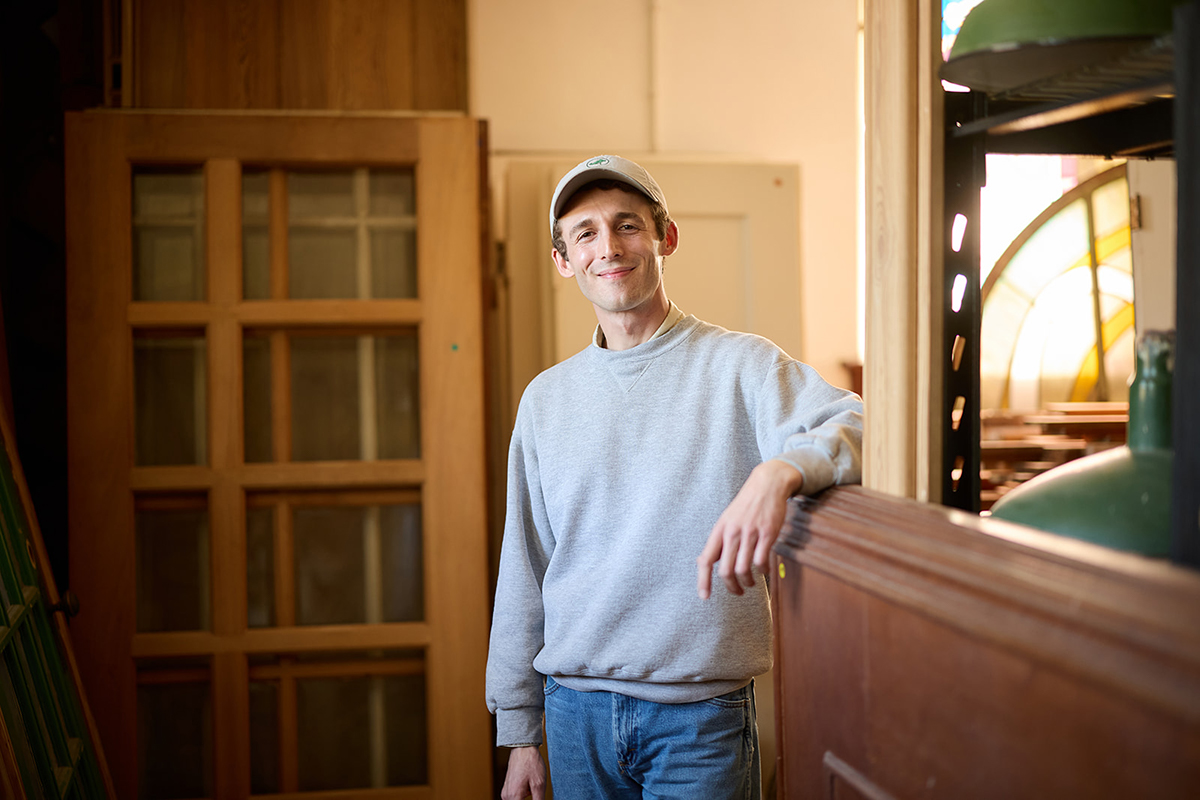
In a city that’s changing as quickly as Austin, Save the Good Stuff stands as a love letter to craftsmanship, history, and thoughtful reuse. Located inside the former Baker School in Hyde Park, this architectural salvage shop is where vintage doors, lighting, millwork, and hardware are given a second life — and a new story. We sat down with Ryan Gugenheim, General Manager of Save the Good Stuff, to talk about how the shop began, why preservation matters more than ever, and what makes salvaged materials so special. From 1940s porch lights to one-of-a-kind architectural gems, Ryan shares what it really means to save the good stuff — and why Austin is better for it.
How did Save the Good Stuff begin, and what inspired you to focus on salvaged architectural materials?
Save the Good Stuff began when Tere O’Connell, founder of O’Connell Architecture, couldn’t stand to watch solid, storied materials head to the landfill. She started setting the good stuff aside, determined to give it a second life.
Not long after, I met Tere as the idea was beginning to take shape. With my background running a brick-and-mortar salvage shop, I was excited to help guide and grow what she had started.
My own connection to this world began early. By the time I was 15, I was already an avid thriftier, drawn to quality pieces and the idea that nothing well-made should slip through the cracks. That appreciation eventually grew into a career focused on saving architectural materials for reuse.
Favorite salvaged item currently in the shop?
My favorite thing in the shop right now is a wrought iron decorative porch light from the 1940s. It came out of a home in Tarrytown that, despite at least one renovation, still held onto some of its original Spanish Revival details before it was ultimately headed for demolition.
Dream building or architectural era to salvage from?
Definitely an 1800s row house. You don’t really find that style of architecture in Texas, so I’ve never had the chance to spend much time in one firsthand. Row houses are much more common in older East Coast cities where they were built closely together in dense urban neighborhoods during the 19th century. I’ve always been drawn to the character and history they hold.
Most surprising item you’ve ever found?
Again, I’ll have to go with that 1940’s Spanish Revival porch light. It’s not only a special piece, but it’s amazing that it’s made its way all the way into 2025 after surviving a previous renovation and so many changes over the years.
What types of buildings or projects do most of your salvaged materials come from?
Our pieces come from a combination of salvage projects across Austin and wider central Texas as well as consignments and donations from local collectors and preservationists. We save materials from both historic commercial and residential buildings so it’s a nice cross section of materials.
What makes vintage architectural materials different from modern equivalents in terms of craftsmanship or quality?
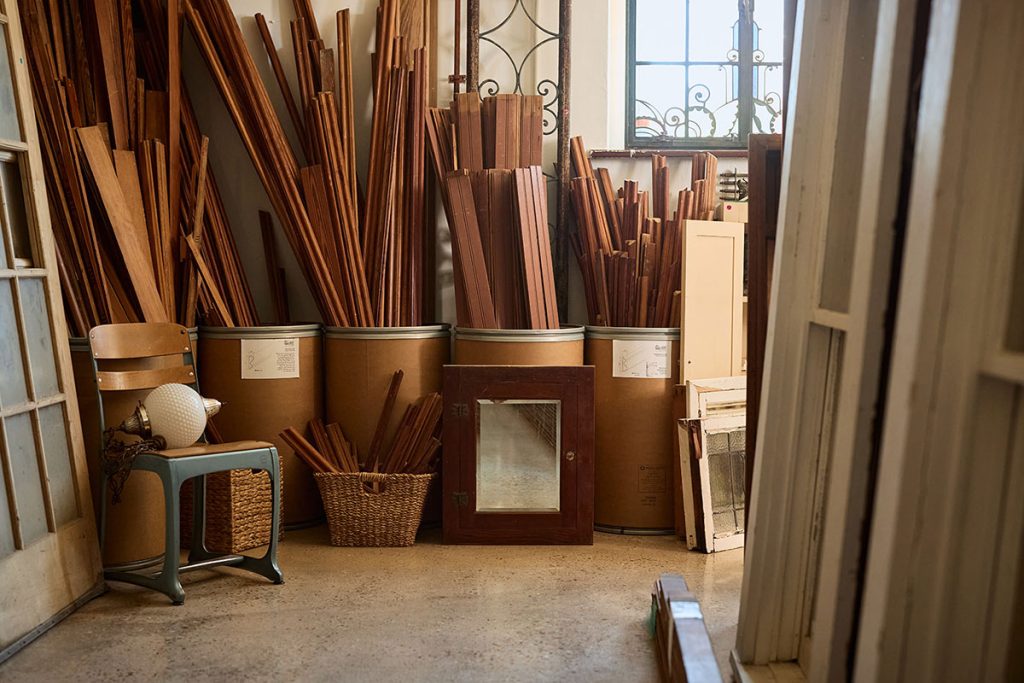
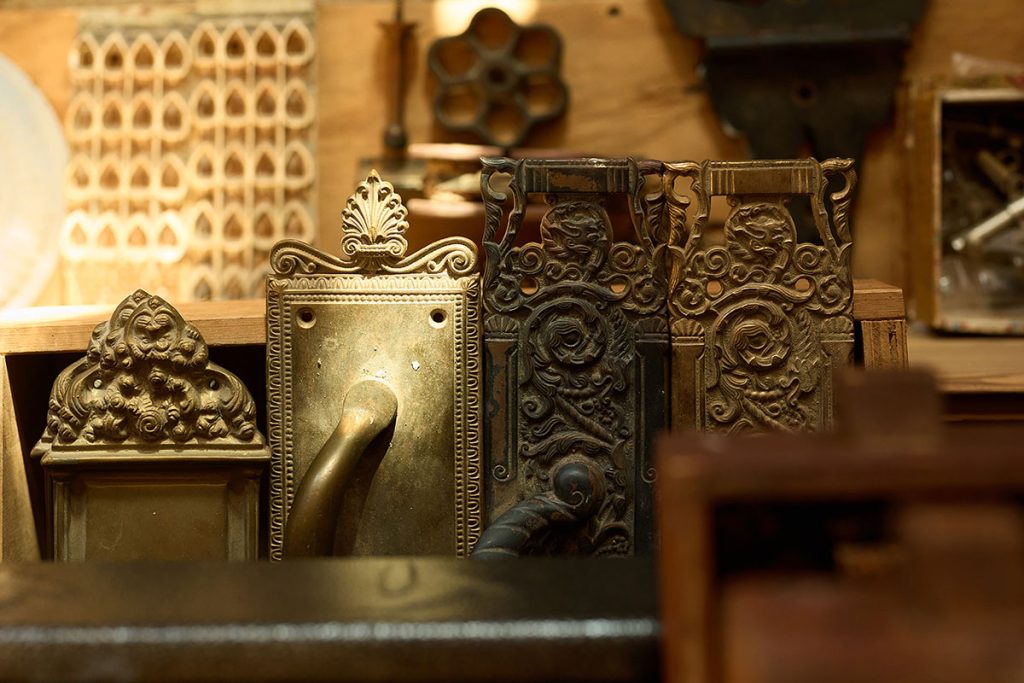
How much time do you have?! There are countless reasons salvaged architectural materials are different from modern equivalents. First and foremost is quality and craftsmanship. Most of the pieces we carry were made right here in the USA (with a few European treasures here and there). The workmanship you’ll find in our millwork, flooring, and fixtures is rarely matched today. Many wood elements, for example, come from old-growth trees—resources now protected and only available through salvage.
Who typically shops at Save the Good Stuff – designers, architects, homeowners, builders?
Great question, really all of the above, and even preservation minded renters. We serve designers, architects, homeowners, and builders, but what’s especially interesting is the wide range of people who come through our doors. We see shoppers across all age groups, from young creatives looking for something unique to longtime homeowners focused on restoring and reusing quality materials.
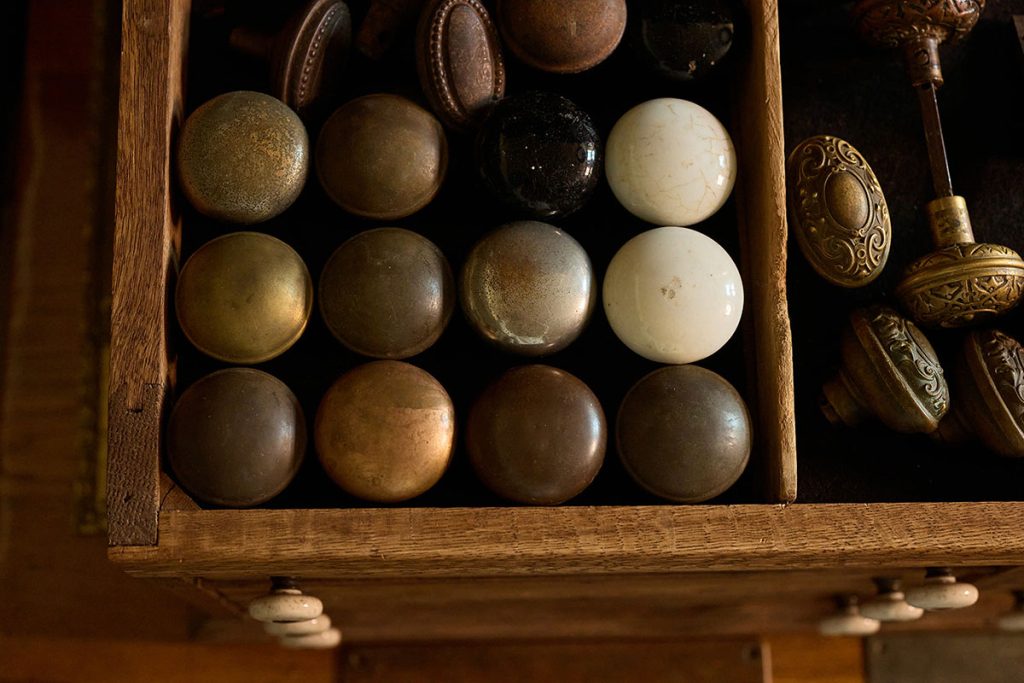
How does architectural salvage contribute to sustainability and waste reduction in construction?
Architectural salvage plays a huge role in sustainability and waste reduction, especially because construction and demolition are some of the largest contributors to landfill waste.
When you choose salvaged materials, you’re keeping valuable building components out of landfills while also lowering a project’s overall carbon footprint. Since these materials already exist, there is no need for new resources to be extracted, manufactured, or shipped across long distances. It’s one of the most responsible ways to source for a home or commercial project.
There’s also a hidden cost to demolition. It is not just the loss of original craftsmanship and history, but the additional energy required to replace those materials with modern products that are often lower quality and need to be replaced much sooner.
What do you think people often misunderstand about reclaimed materials?
People often underestimate both the lifespan and the value of reclaimed materials, and they move too quickly to remove them. At the same time, many people overestimate how difficult it is to repair or restore older pieces, especially in a place like Austin where there are so many skilled craftspeople who know how to do that work well.
With thoughtful repair, historic materials and homes can often outlast their modern replacements, and they do so with far less environmental cost.
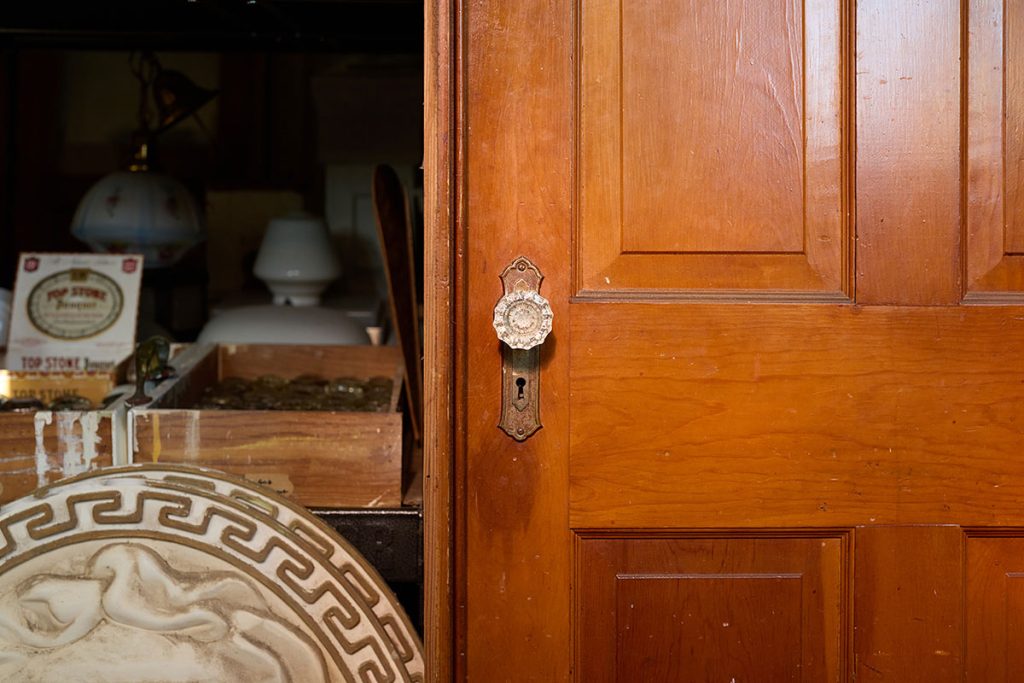
Why is preserving architectural details important to a city like Austin, which is changing so rapidly?
Preserving architectural details is especially important in a city like Austin because so much is changing so quickly. These historic elements are part of the fabric that gives a place its character and beauty. What surrounds us really does shape us.
These details transcend trends and help anchor communities in cultural memory and craftsmanship. In many ways, preservation is the ultimate form of sustainability, because it protects what already exists and keeps a city connected to its history as it grows.
Best advice for someone restoring an older home?
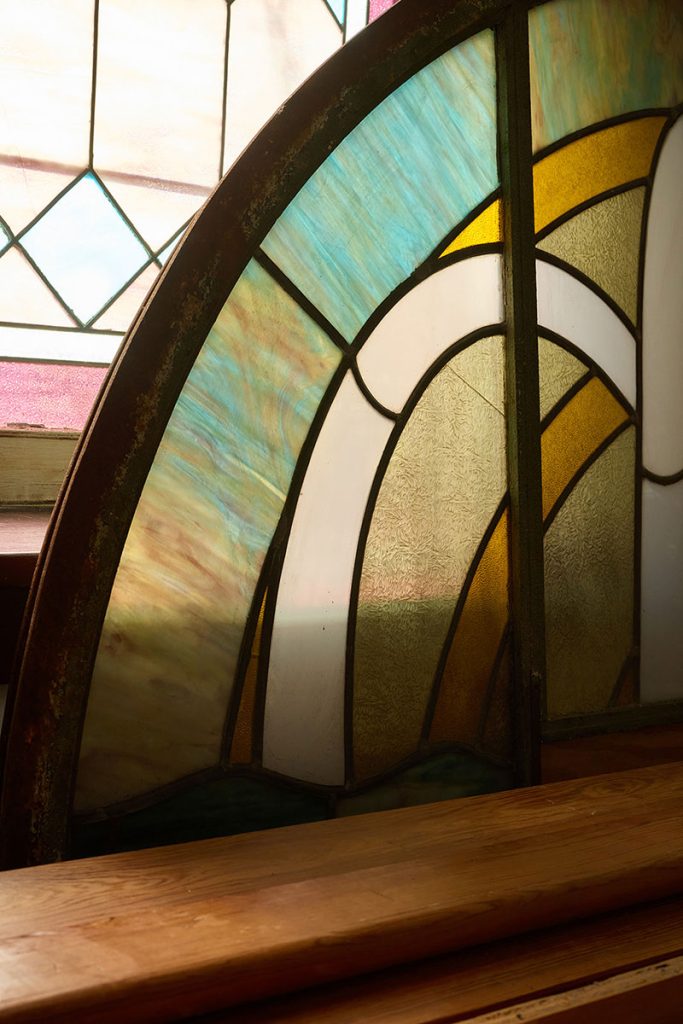
Keep your historic windows if they are wood or steel! Don’t fall prey to sales tactics – the historic materials will outlast all of us if we take care of them properly.
One Last Thing…
What’s your favorite restaurant in Austin?
Sandy’s Hamburgurer! Don’t sleep on their frozen custard.
What’s your favorite music venue in Austin?
Elephant Room
What’s your favorite place to shop in Austin?
Austin Flower Company
Details:
Located in the Baker School, Hyde Park
3908 Avenue B
Austin, TX. 78751
(737) 222-5278
Hours: M-F (10:00AM – 5:00PM)